
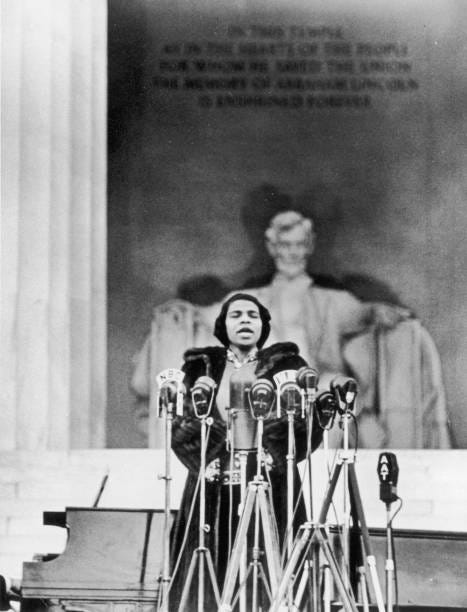
The reflecting pool lies at the heart of the National Mall and is symbolically at the foot of the Lincoln Memorial, like an extension of President Lincoln’s indomitable spirit. That pool is not just a body of water but a symbol of our nation’s capital, its history, national pride, and national aspiration. A recent reflection on that pool — the dead ducks found floating in it — captures something larger than algae or the harming of wildlife. It speaks to how we, as a country, treat our public spaces, our environment, our wildlife that rely on us, our historical symbols that should be enjoyed by generations to come, and the narratives that have shaped our history. The reflecting pool has witnessed so much important history in America. It has held within it the reflection of those ideals we hold dear and have fought for. When that history is clouded, green with algae, and chemically treated, it becomes harder to ignore that the image we now see no longer matches the struggle for democracy we have worked to maintain.
The Washington, DC, landscape is meant to convey dignity and purpose. For many Americans, the monuments are more than a collection of government buildings. Those buildings house the historical sites where men and women have gathered in protest, mourning, and celebration.
The landscape of our nation’s monuments symbolizes America’s strength not only to Americans but also to tourists, foreign nationals, and officials who travel to Washington, DC, for work. That landscape was what I saw when I traveled to Washington, D.C., as a junior high school student from the Bronx. I fell in love with the city, looking up at the monuments, riding the elevator up to the top of the Washington Monument, visiting the Smithsonian Castle, looking out at the reflecting pool, walking past the U.S. Departments, visiting the Capitol, and watching the money being made at the Mint. Those first awe-inspiring glimpses of national grandeur fed an early interest in public service.
I remember years later the many times I walked to the pool when I began working at the Department of State, sitting on one of the benches, eating lunch in peace as a respite from the day’s events. I would sometimes take a book with me and read, watching the tourists walk by before heading back to the stress awaiting me. I remember the early days of rollerblading around the pool with friends. It was a perfect place to look upon the Washington, DC area. With Lincoln at our backs, sitting majestically.
The pool and all of Washington should be preserved as an active, living part of the democratic experience — a place where visitors and residents alike can sit, reflect, and feel connected to the nation’s narrative as it has been told for decades. Altering or degrading that space diminishes the public’s ability to engage with those narratives.
The national capital area and its monuments do not need quick fixes. These monuments have been here for decades, some longer than others, and any updates require consultation with preservationists who understand how to balance history, aesthetics, public access, and ecological health, as well as the involvement of environmental scientists and wildlife specialists. Maintaining the national landscape is an expression of respect for the democratic experiment these monuments represent.
We must continue to exercise the utmost care for our public spaces, hold ourselves accountable for decisions that affect the environment, and lead with recognition of history’s role. If we respond correctly and learn from mistakes in the process, the pool can once again reflect the stories of Americans and some of the better parts of ourselves.
I hope the National Park Service will be allowed to remedy the situation around the reflecting pool with sufficient funding and without further interference from the White House. Alas that’s unlikely without Congressional action.